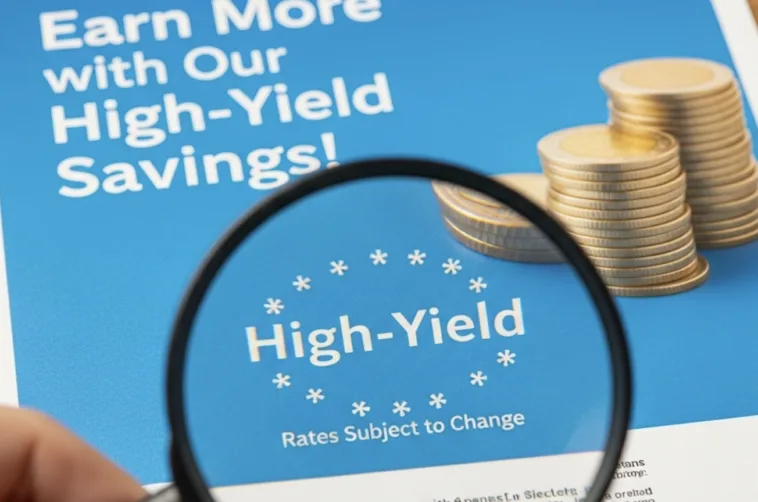
High-yield savings accounts are advertised as the smartest place to park your cash, and their impressive interest rates certainly make a compelling case. But behind the flashy APY numbers and marketing promises, there are crucial details that banks often leave in the fine print. These aren’t necessarily scams, but they are hidden truths that can impact your returns, accessibility, and overall experience. Before you move your money, it’s time to look past the advertising and uncover what the banks aren’t telling you.
Chapter 1: Understanding High-Yield Savings Accounts
Definition and Features
High-yield savings accounts are a type of deposit account that typically offers a higher interest rate than traditional savings accounts. These accounts are designed to help individuals grow their savings more effectively by earning interest at a more competitive rate. They are often offered by online banks and financial institutions that can operate with lower overhead costs, allowing them to pass on the savings to their customers in the form of higher yields.
One of the key features of high-yield savings accounts is their accessibility. Most accounts can be opened online, and they often require a relatively low minimum deposit. Additionally, these accounts are generally insured by the Federal Deposit Insurance Corporation (FDIC) up to certain limits, providing a safety net for your funds. This makes them an attractive option for those looking for a secure place to store their savings while earning interest.
Another notable feature is the interest rate, which can vary significantly between different financial institutions. It’s important for consumers to compare rates and understand that the advertised rates may change over time due to market conditions. Many banks offer promotional rates that may last for a limited time, so it’s crucial to read the fine print and know when the rate might revert to a lower standard.
Some high-yield savings accounts also come with specific terms and conditions that potential account holders should be aware of. For example, some may have withdrawal limits or fees associated with excessive transactions. Understanding these guidelines is essential for managing your account effectively and maximizing your savings potential without incurring unnecessary penalties.
In conclusion, high-yield savings accounts can be an excellent tool for individuals looking to grow their savings. By understanding the definition and key features of these accounts, consumers can make informed decisions that align with their financial goals. Whether you’re saving for a short-term goal or building an emergency fund, high-yield savings accounts offer a smart way to earn interest while keeping your money safe and accessible.
How They Differ from Traditional Savings Accounts
High-yield savings accounts (HYSAs) stand apart from traditional savings accounts in several key ways that can significantly impact your financial growth. Traditional savings accounts typically offer lower interest rates, often barely exceeding inflation, which means your money may not grow much over time. In contrast, HYSAs provide interest rates that can be several times higher, allowing you to earn more on your deposits. This difference in interest rates is one of the primary reasons individuals are increasingly turning to HYSAs for their savings needs.
Another notable difference lies in the ease of access to funds. While traditional savings accounts often allow for easy withdrawals, HYSAs may have certain restrictions or limits on the number of transactions per month. This can encourage savers to think more critically about their spending habits and prioritize saving over spending. However, the trade-off here is that while your money is growing at a faster rate, you need to be mindful of how and when you access those funds.
The fees associated with these accounts also vary significantly. Many traditional savings accounts come with monthly maintenance fees that can eat into your savings. Conversely, many high-yield savings accounts have no monthly fees, making them a more attractive option for those looking to maximize their savings without incurring unnecessary costs. This can lead to a greater return on your investment over time, especially if you’re able to consistently add to your savings.
Additionally, the minimum balance requirements can differ greatly between these account types. Traditional savings accounts may require a minimum balance to avoid fees or earn interest, which can be a barrier for some savers. On the other hand, many HYSAs are designed to be accessible to a wider audience, often featuring lower minimum balance requirements or none at all, allowing more individuals to take advantage of the higher interest rates.
Finally, the financial institutions offering these accounts also play a role in how they differ. Traditional banks may provide a more conservative approach to savings, while online banks and fintech companies often drive the competition by offering higher rates and fewer fees. This shift has encouraged consumers to explore high-yield options and take advantage of the features that can benefit their financial situation. Understanding these differences is crucial for anyone considering opening a high-yield savings account, as they directly influence your savings potential.
Why High-Yield Savings Accounts Are Gaining Popularity
High-yield savings accounts (HYSAs) have increasingly become a focal point for individuals seeking to maximize their savings. In a financial landscape marked by low-interest rates, these accounts offer a competitive alternative to traditional savings options. Many consumers are realizing that their money can work harder for them without the risks associated with more volatile investments. This shift in awareness is driving the popularity of HYSAs, especially among those who prioritize financial security and growth.
The rise of digital banks and fintech companies has played a significant role in the growing interest in high-yield savings accounts. These institutions often provide higher interest rates compared to traditional banks due to lower overhead costs. This new competition encourages all banks to reevaluate their savings products, leading to better options for consumers. As a result, more people are opening HYSAs as they seek to take advantage of favorable rates and improved customer service.
Additionally, the simplicity and accessibility of high-yield savings accounts appeal to a wide audience. Opening an account is typically a straightforward process, often completed online in just a few minutes. Many banks offer user-friendly apps that allow customers to manage their accounts effortlessly. This ease of access is particularly attractive to younger generations who prefer digital banking solutions and value convenience in their financial transactions.
Moreover, the current economic climate has made saving a priority for many Americans. With uncertainties surrounding job stability and economic recovery, people are more inclined to seek safe places for their funds. HYSAs not only offer higher interest rates but also provide peace of mind, as they are typically insured by the FDIC up to certain limits. This combination of safety and yield makes them an increasingly attractive option for those looking to secure their financial future.
Finally, the growing trend towards financial literacy is influencing the popularity of high-yield savings accounts. As more individuals educate themselves about personal finance, they are becoming aware of the differences between various savings products. This knowledge empowers consumers to make informed decisions about where to place their money for optimal growth. High-yield savings accounts are now viewed as a vital tool for effective money management and wealth accumulation, reinforcing their appeal in today’s financial landscape.
Chapter 2: The Allure of High-Yield Rates
What Makes a Rate High-Yield?
High-yield savings accounts are often marketed as superior options for individuals looking to maximize their savings. But what exactly makes a rate high-yield? The term refers to interest rates significantly above the national average, which typically means a rate of around 0.50% or more. This elevated rate is a crucial factor for consumers, as it directly influences the amount of interest earned over time. Understanding the criteria that classify a savings account as high-yield is essential for anyone considering their options.
One of the primary factors influencing high-yield rates is the financial institution’s structure and strategy. Online banks, which often have lower overhead costs compared to traditional brick-and-mortar banks, can offer higher rates to attract customers. These institutions leverage technology to provide streamlined services without the extra expenses associated with physical locations. Thus, when searching for a high-yield account, consumers often find that online banks consistently offer more competitive rates.
Moreover, market conditions play a significant role in determining high-yield rates. Economic factors such as inflation, the Federal Reserve’s interest rate policies, and overall demand for loans can influence how much banks are willing to pay on deposits. When the economy is strong, and interest rates rise, banks typically increase their savings rates to remain competitive. Conversely, during economic downturns, these rates may drop, making it essential for consumers to stay informed about market trends.
Another critical aspect is the account’s terms and conditions that can affect the perceived yield. Some high-yield savings accounts come with stipulations, such as minimum balance requirements or limited withdrawal options, which can impact the overall benefits of the account. Consumers should carefully review these terms to ensure they are not inadvertently limiting their access to their funds or incurring fees that could negate the advantages of a higher interest rate.
Ultimately, the combination of a bank’s operational model, market conditions, and account stipulations determines what makes a rate high-yield. For individuals in the USA looking to open a high-yield savings account, understanding these factors is crucial. It not only helps in identifying the best possible account but also fosters informed decision-making that aligns with their financial goals. By being aware of what truly constitutes a high-yield rate, consumers can better navigate their options and leverage their savings effectively.
Factors Influencing Interest Rates
Interest rates are influenced by a variety of factors that can significantly impact the returns on high-yield savings accounts. One major factor is the Federal Reserve’s monetary policy, which sets the baseline interest rates that banks use to determine their own rates. When the Fed raises or lowers these rates, it directly affects how much interest consumers can earn on their savings. Furthermore, banks often adjust their rates in response to these changes to remain competitive in attracting deposits.
Another important aspect influencing interest rates is inflation. When inflation rises, the purchasing power of money decreases, prompting banks to offer higher interest rates to compensate for the loss in value. This dynamic ensures that depositors can maintain their purchasing power over time. Conversely, during periods of low inflation, banks may offer lower rates, as the need to incentivize savings diminishes.
Economic conditions also play a crucial role in shaping interest rates. In a robust economy, demand for loans typically increases, leading banks to raise interest rates to balance savings and lending. Conversely, during economic downturns or recessions, banks may lower interest rates to stimulate borrowing and spending. This interplay of economic indicators can create fluctuations in the interest rates offered on high-yield savings accounts.
Competition among banks is another factor that can drive interest rates up or down. When multiple banks are vying for customers, they may offer higher rates to attract deposits. This competitive environment can be beneficial for consumers looking to maximize their savings. However, if one bank dominates the market, it may lead to lower rates as there is less incentive to compete.
Lastly, individual banks’ operational costs and risk assessments also influence the interest rates they offer. Banks with lower overhead costs may provide more attractive rates, while those with higher costs might need to charge more to maintain profitability. Additionally, banks assess the risk associated with lending and may adjust their rates based on the perceived financial stability of their customers. Understanding these factors can empower consumers to make informed decisions about where to place their savings.
The Role of the Federal Reserve
The Federal Reserve plays a crucial role in the U.S. economy, influencing monetary policy and banking regulations that directly impact high-yield savings accounts. As the central bank, the Fed manages interest rates and the money supply, which can affect the rates offered by banks on savings accounts. Understanding its functions can help consumers make informed decisions about where to place their savings. The Fed’s actions set the stage for broader economic conditions, including inflation and employment rates, both of which are vital to the banking landscape.
One of the primary tools used by the Federal Reserve is the adjustment of the federal funds rate, which is the interest rate at which banks lend to one another overnight. This rate influences how much interest banks pay on deposits, including high-yield savings accounts. When the Fed raises rates, banks often follow suit, potentially increasing the yields on these accounts. Conversely, if the Fed lowers rates, consumers may see a decrease in the returns they earn on their savings, highlighting the connection between the Fed’s decisions and individual consumers’ financial outcomes.
Additionally, the Federal Reserve conducts open market operations, buying and selling government securities to regulate the money supply. These actions can have ripple effects throughout the economy, including on the interest rates banks offer. By controlling the amount of money circulating in the economy, the Fed helps stabilize prices and fosters conditions conducive to economic growth. For consumers looking for high-yield savings accounts, understanding these operations can shed light on why rates fluctuate and what to expect in various economic climates.
The Fed also plays a regulatory role, ensuring banks operate safely and soundly, which is crucial for maintaining consumer confidence. By enforcing capital requirements and conducting stress tests, the Federal Reserve aims to prevent bank failures that could adversely affect account holders. This regulatory oversight ensures that even when interest rates are low, consumers can trust that their deposits are secure, allowing them to focus on maximizing their savings through high-yield accounts.
In summary, the actions and policies of the Federal Reserve have a significant impact on high-yield savings accounts in the U.S. market. By understanding the Fed’s role in setting interest rates, regulating banks, and managing the money supply, consumers can better navigate their options for savings. Knowledge of these elements empowers individuals to make smarter choices about where to invest their money, ultimately leading to better financial security and growth in their savings accounts.
Chapter 3: Hidden Fees and Charges
Common Fees Associated with High-Yield Accounts
When considering high-yield savings accounts, it’s essential to be aware of the various fees that banks may impose. Many consumers are attracted to these accounts due to their higher interest rates, but the fine print often reveals a list of potential charges that can diminish the benefits. Common fees include monthly maintenance fees, which can erode your earnings if you’re not careful about meeting minimum balance requirements or other criteria set by the bank.
Another fee to watch for is the transaction fee, which may apply if you exceed the number of withdrawals allowed in a month. High-yield accounts typically have a limit on transactions, and exceeding this can result in significant penalties. This is especially important for individuals who may need to access their funds regularly, as these fees can quickly add up and negate the advantages of a higher interest rate.
Some banks also charge fees for account maintenance, which may cover the costs of account servicing and could be charged regardless of account activity. These maintenance fees can vary widely among institutions, so it is crucial to compare options before opening an account. In some cases, these fees can be waived if you maintain a certain balance or set up direct deposits, but failing to meet these requirements can lead to unexpected costs.
Additionally, you might encounter fees related to ATM usage. While many high-yield accounts offer online banking features and access to a network of ATMs, using an out-of-network ATM can result in withdrawal fees. These charges can diminish the overall yield of your savings and should be factored into your decision-making process when selecting an account.
Finally, it’s worth noting that some banks may impose closure fees if you decide to close your account before a specified time frame. This can deter customers from moving their money, even if they are unhappy with their current account. Understanding these common fees associated with high-yield savings accounts is crucial for anyone looking to maximize their savings effectively and avoid unexpected costs.
How Fees Can Erode Your Earnings
When considering a high-yield savings account, many people focus primarily on the attractive interest rates promised by banks. However, what often goes unnoticed are the various fees that can significantly reduce the earnings generated from those accounts. These fees can range from monthly maintenance charges to withdrawal penalties, each nibbling away at your hard-earned savings. Understanding how these fees work is crucial for maximizing your financial growth and ensuring you get the most out of your high-yield savings account.
One of the most common fees you may encounter is the monthly maintenance fee. Many banks impose this charge if your account balance falls below a certain threshold. While some financial institutions waive this fee for accounts that maintain a minimum balance, others do not. This can lead to a frustrating cycle where you’re trying to save, but fees keep eroding your potential earnings, making it essential to read the fine print before opening an account.
Withdrawal fees are another factor that can impact your savings. High-yield savings accounts often have limitations on the number of withdrawals you can make each month. Exceeding this limit can result in hefty fees that not only cut into your savings but also discourage you from accessing your funds when needed. It’s paramount to understand these limitations and plan your withdrawals accordingly to avoid unnecessary charges.
Additionally, there are often hidden fees associated with certain transactions, such as wire transfers or using ATMs outside of the bank’s network. These charges can accumulate over time and diminish the interest you earn on your savings. Being aware of these potential pitfalls allows you to make informed choices about where and how to manage your money, helping you to keep more of your earnings.
In conclusion, while high-yield savings accounts can offer attractive interest rates, it is vital to remain vigilant about the fees that can diminish your returns. By understanding the various types of fees and how they can affect your savings, you can take proactive steps to choose an account that aligns with your financial goals. This knowledge empowers you to maximize your earnings and make the most of your high-yield savings account, ensuring that you keep more of what you earn.
Identifying Transparent Banks
In an era where financial transparency is critical, identifying banks that prioritize openness can be challenging yet essential for consumers. Transparent banks are those that provide clear information about their fees, interest rates, and terms of service. By understanding how to recognize these institutions, individuals can make informed decisions about their high-yield savings accounts, ultimately leading to better financial outcomes.
One of the first indicators of a transparent bank is its fee structure. A bank that openly lists its fees without hidden charges demonstrates a commitment to honesty. Consumers should look for banks that provide detailed explanations of all potential costs associated with their accounts. This level of clarity helps individuals avoid unpleasant surprises and fosters trust between the bank and its clients.
Another crucial aspect of transparency is the clarity of interest rates. Banks that offer high-yield savings accounts should clearly communicate the interest rates they provide, including any introductory rates and how long they last. Understanding whether these rates are variable or fixed is vital for consumers, as it affects the potential growth of their savings over time. Transparent banks will provide this information readily, allowing customers to compare options more effectively.
Additionally, a bank’s customer service can be a significant factor in determining its transparency. Banks that prioritize customer service will often have representatives who can answer questions about account terms, fees, and interest rates without hesitation. Engaging with knowledgeable staff can help consumers feel more secure in their banking choices and ensure they fully understand the products they are purchasing.
Finally, seeking out customer reviews and testimonials can offer insight into a bank’s transparency. Prospective customers should research other clients’ experiences, focusing on feedback regarding clarity of information and overall satisfaction. A bank with positive reviews on transparency and communication is often a safer choice for those looking to open a high-yield savings account, ensuring that clients are treated fairly and informed at every step of their banking journey.
Chapter 4: Accessibility and Withdrawal Limits
Understanding Withdrawal Restrictions
When opening a high-yield savings account, understanding withdrawal restrictions is crucial for managing your finances effectively. Many banks impose specific limits on the number of withdrawals you can make each month, which can affect your access to your funds. It’s essential to read the fine print before signing up, as these restrictions can vary significantly between institutions. Failure to comply with these limits may result in fees or account closures, which can be detrimental to your savings strategy.
Withdrawal restrictions are often tied to regulations set by the federal government, particularly the Federal Reserve’s Regulation D. This regulation historically limited the number of certain types of withdrawals to six per month, although recent changes have provided banks with more flexibility. Still, many banks maintain their own policies, which can be stricter than federal guidelines. Therefore, it’s vital to clarify these rules with your bank before you open an account, ensuring you won’t be caught off guard by unexpected limitations.
In addition to monthly limits, banks may impose penalties for exceeding withdrawal allowances. These penalties can range from small fees to significant charges that can diminish your savings over time. Some banks might even convert your high-yield savings account into a checking account if you consistently exceed withdrawal limits, which could result in lower interest rates. Understanding these potential outcomes allows you to make informed decisions about how you manage your savings.
Another essential aspect to consider is the type of withdrawals that may be restricted. While transfers to other accounts are often counted against your monthly limit, cash withdrawals or ATM withdrawals may not be. Each bank has its own definition and rules regarding what constitutes a withdrawal, so it’s crucial to ask questions and confirm these details. This knowledge can help you navigate your account more effectively and avoid unnecessary fees.
Ultimately, understanding withdrawal restrictions is a key component of maximizing the benefits of a high-yield savings account. By being aware of the limits and penalties associated with your account, you can strategize your savings plan to ensure that your funds are accessible when you need them. Always approach your bank with a clear understanding of their policies, as this will empower you to manage your money wisely and achieve your financial goals.
The Impact of Accessibility on Your Savings
Accessibility plays a crucial role in determining how effectively individuals can utilize high-yield savings accounts. Many people overlook the fact that the ease with which they can access their funds directly impacts their savings growth. A high-yield savings account that offers limited accessibility may discourage regular deposits, leading to less overall savings. Conversely, accounts with convenient access options can encourage more frequent contributions, ultimately maximizing the potential for earning interest over time.
The types of accessibility features provided by banks are essential to consider when choosing a high-yield savings account. Online banking options, mobile apps, and ATM access can significantly enhance the usability of these accounts. When customers can easily manage their funds, they are more likely to engage with their savings, making regular contributions, and taking advantage of compounding interest. This accessibility not only promotes better savings habits but also helps individuals stay informed about their financial status.
Furthermore, the speed of access can also affect financial decision-making. If account holders can quickly transfer money or withdraw funds when needed, they are less likely to feel constrained by their savings. This flexibility can lead to a more proactive approach, where individuals feel empowered to save without fear of immediate financial needs. In contrast, accounts with cumbersome access processes may lead to missed opportunities for saving or investing elsewhere.
Banks that provide comprehensive accessibility options often attract more customers, as these features can influence consumer choice. As a result, competition among financial institutions can lead to better offerings for consumers. When banks recognize the importance of accessibility, they are more likely to innovate and create user-friendly platforms that cater to the needs of savers. Thus, it is essential for consumers to prioritize accessibility when selecting a high-yield savings account.
In summary, the impact of accessibility on savings cannot be overstated. Individuals who choose accounts that offer robust access features are more likely to engage actively with their savings and, as a result, enjoy greater financial benefits. By understanding the relationship between accessibility and savings, consumers can make informed decisions that enhance their financial well-being. The right high-yield savings account can become a powerful tool for achieving long-term financial goals, provided it offers the necessary accessibility to support consistent savings behavior.
Alternatives for Quick Access to Funds
In today’s financial landscape, having quick access to funds is crucial for managing unexpected expenses or opportunities. While high-yield savings accounts offer attractive interest rates, they often come with limitations regarding withdrawal frequency and accessibility. As a result, many individuals are exploring alternatives that provide both liquidity and the potential for earning a return on their savings. Understanding these options can empower individuals to make informed decisions about their finances.
One viable alternative is a money market account, which typically offers a higher interest rate than traditional savings accounts while allowing for easier access to funds. Money market accounts often come with check-writing privileges and debit cards, making them an excellent option for those who want to maintain liquidity without sacrificing returns. However, it is essential to compare fees and minimum balance requirements across different institutions to find the best fit.
Another option is short-term certificates of deposit (CDs), which can provide a higher interest rate than regular savings accounts, albeit with some restrictions on access. Short-term CDs often have terms ranging from a few months to a year, allowing individuals to lock in rates while still having the option to access funds relatively soon. Some banks offer no-penalty CDs, which enable account holders to withdraw funds before maturity without incurring a fee, adding an extra layer of flexibility.
Peer-to-peer lending platforms have also emerged as a compelling alternative to traditional banking. By connecting borrowers with individual investors, these platforms can offer competitive rates for both lending and borrowing. For individuals looking to earn a return on their funds while keeping them accessible, investing in peer-to-peer loans can be an intriguing option, although it comes with its own set of risks that should be carefully considered.
Lastly, utilizing a high-yield checking account can merge the benefits of a checking account with the higher interest rates typically associated with savings accounts. Many online banks offer high-yield checking options that allow for unlimited transactions and easy access to funds while still providing attractive interest rates. As with any financial product, it’s important to review the specific terms and conditions to ensure that the account meets your needs for quick access and financial growth.
Chapter 5: The Fine Print: Terms and Conditions
Importance of Reading the Fine Print
When it comes to opening a high-yield savings account, many individuals focus on the attractive interest rates and promotional offers, often overlooking the critical details buried in the fine print. This overlooked information can significantly affect the overall benefits of the account. Understanding the terms and conditions is crucial, as they may contain fees, withdrawal limits, and other restrictions that can impact your savings growth. Ignoring these details can lead to unexpected costs and missed opportunities for maximizing your returns.
The fine print often includes essential policies regarding fees that banks may impose. For instance, some accounts might advertise no monthly maintenance fees but later include charges for certain transactions or balance requirements. These fees can erode your interest earnings and diminish the advantages of having a high-yield account. Therefore, it is essential to scrutinize the fee structure to ensure that your savings truly benefit from the high interest rate offered.
Another important aspect found in the fine print is the account’s withdrawal limits. Many high-yield savings accounts impose restrictions on how many withdrawals you can make within a month. Exceeding these limits can result in additional fees or even a reduction in your interest rate. Being aware of these limits can help you manage your finances better and avoid penalties that could ultimately reduce your savings.
Furthermore, the terms regarding interest rate fluctuations are often buried within the fine print. Banks may offer an enticing introductory rate that is subject to change after a specified period. Understanding how and when these rates can change is vital for those looking to secure a stable return on their savings. A thorough review of the fine print will help you anticipate future changes and plan accordingly.
In conclusion, reading the fine print is not just a tedious task but a necessary step in ensuring that you make informed decisions about your high-yield savings account. By being aware of the fees, withdrawal limits, and interest rate conditions, you can protect your savings and make the most of your financial choices. Taking the time to understand these details can save you from unpleasant surprises and help you achieve your financial goals more effectively.
Key Terms to Look For
When considering a high-yield savings account, understanding the key terms associated with it is essential for making an informed decision. One of the most important terms to look for is the Annual Percentage Yield (APY). This figure represents the total amount of interest you will earn on your deposit over a year, taking into account the effect of compounding. Higher APYs are often advertised, but it’s crucial to read the fine print to see if these rates are introductory or subject to change.
Another critical term is the minimum balance requirement. Many banks have stipulations that require you to maintain a certain balance in order to earn the advertised APY or avoid monthly fees. This can significantly impact your earnings if you aren’t able to keep that amount in your account. Understanding this requirement can help you gauge whether a particular account is worth it based on your financial situation.
Fees associated with high-yield savings accounts are also a vital consideration. While many banks promote their high-interest rates, they may impose various fees that can eat into your savings. Look for terms like maintenance fees, withdrawal fees, and transaction limits, as these can diminish the benefits of a high APY. Being aware of these fees can make a significant difference in the overall performance of your savings.
Another term to consider is the frequency of interest compounding. Some banks may compound interest daily, while others may do so monthly or quarterly. More frequent compounding can lead to higher overall earnings on your savings. Always inquire about how often interest is compounded to understand the full potential of your investment in a high-yield savings account.
Finally, be aware of the account’s withdrawal limits. High-yield savings accounts often come with restrictions on how frequently you can withdraw funds without incurring fees. Familiarizing yourself with these limits can prevent unexpected charges and ensure that your savings remain intact when you need them. By paying attention to these key terms, you can navigate the complexities of high-yield savings accounts more effectively and make better financial decisions.
Understanding Account Maintenance Requirements
Understanding the account maintenance requirements is crucial for anyone considering opening a high-yield savings account. Many banks offer these accounts with attractive interest rates, but the fine print often includes various maintenance requirements that can affect your overall returns. These requirements may include minimum balance thresholds, monthly maintenance fees, and transaction limits that could restrict your access to your funds. Understanding these factors can help you navigate the landscape of high-yield savings accounts more effectively.
Minimum balance requirements are one of the most common stipulations associated with high-yield savings accounts. Banks may require you to maintain a certain balance to avoid monthly fees or to qualify for the highest interest rates. This can be a significant factor for account holders who may not always have the funds necessary to meet these thresholds. It’s essential to evaluate your financial habits and determine if you can consistently meet these requirements without incurring additional charges.
Another important aspect to consider is the potential for monthly maintenance fees. Some banks waive these fees if certain conditions are met, such as maintaining a minimum balance or setting up direct deposits. However, if you fail to meet these conditions, the fees can eat into your interest earnings, negating some of the benefits of a high-yield account. Being aware of these fees and how they can impact your savings is key to making an informed decision.
Transaction limits are also an essential factor in account maintenance requirements. Many high-yield savings accounts have restrictions on the number of withdrawals or transfers you can make each month. Exceeding these limits can result in additional fees or even the conversion of your account to a standard savings account with lower interest rates. Understanding these transaction rules will help you manage your account more effectively and avoid unexpected penalties.
In summary, being fully aware of account maintenance requirements is vital when opening a high-yield savings account. By understanding minimum balance requirements, monthly maintenance fees, and transaction limits, you can make a more informed choice that aligns with your financial goals. This knowledge will empower you to maximize the benefits of your high-yield savings account while minimizing any potential drawbacks that banks may not readily disclose.
Chapter 6: The Safety of Your Funds
FDIC Insurance: What You Need to Know
When it comes to opening a high-yield savings account, understanding the role of FDIC insurance is crucial for safeguarding your hard-earned money. The Federal Deposit Insurance Corporation (FDIC) provides deposit insurance to protect depositors in case of bank failure. This government-backed insurance covers up to $250,000 per depositor, per insured bank, which means that your savings can be secure even in tumultuous financial times. Knowing this can help you make informed decisions about where to park your cash and how to maximize your savings potential.
Many people are unaware that not all financial institutions are insured by the FDIC. It is vital to confirm whether the bank you are considering for your high-yield savings account is a member of the FDIC. This membership not only provides peace of mind but also ensures that your funds are protected by federal standards. Researching your bank’s status can save you from potential losses and provide confidence in your saving strategy.
In addition to the basic coverage amount, it’s important to understand how FDIC insurance applies to joint accounts and accounts held by different entities. For instance, joint accounts are insured separately for each account holder, potentially doubling your coverage limits. Similarly, accounts held in trust or for businesses also have distinct insurance limits. Knowing these details can help you strategize on how to maximize your FDIC insurance benefits and protect more of your assets.
Another aspect to consider is the frequency of banking crises and the historical role of the FDIC in protecting depositors. While bank failures are relatively rare, they can occur, and the FDIC has a proven track record of ensuring that depositors receive their funds back swiftly. This historical safety net allows individuals to feel secure when dealing with traditional banks and credit unions, knowing that their savings are backed by the federal government.
Lastly, while FDIC insurance is a safety net, it should not be your only consideration when choosing a high-yield savings account. Interest rates, fees, and account accessibility are also critical factors to evaluate. Balancing the benefits of FDIC insurance with these other elements will help you select the best account for your financial goals and ensure that your savings grow while remaining secure.
The Risks of Online vs. Traditional Banks
When considering the differences between online and traditional banks, one of the most significant risks involves security. Traditional banks have established physical locations, which can deter some types of crime, but they are not immune to sophisticated cyberattacks. Online banks, on the other hand, often implement advanced security measures, but they also face the constant threat of data breaches. Understanding how each type of bank manages these risks is crucial for consumers, particularly when choosing where to open a high-yield savings account.
Another risk associated with online banks is the potential for service outages. Unlike traditional banks, which typically have robust infrastructure to support their operations, online banks rely heavily on technology and internet connectivity. Downtime can occur due to maintenance or unforeseen technical issues, making it difficult for customers to access their funds when needed. This could be particularly concerning for individuals who need immediate access to their savings for emergencies.
Additionally, customer service can differ greatly between online and traditional banks. While traditional banks often provide face-to-face interactions, which can foster trust and resolve issues quickly, online banks may rely on chatbots or email support. This can lead to frustration for customers who prefer personal interactions or need immediate assistance. Before choosing a bank, it’s essential to consider how comfortable you are with the level of support provided.
Fees and interest rates also vary widely between online and traditional banks, and this can pose an additional risk. Online banks often offer higher interest rates on savings accounts due to lower overhead costs, but they may also have fees that are not immediately apparent. Traditional banks might have more transparent fee structures, but they often offer lower interest rates. It’s important to read the fine print and understand the terms associated with any high-yield savings account.
Lastly, regulatory protections can differ, raising concerns for consumers. Traditional banks are usually insured by the FDIC, providing peace of mind that deposits are protected up to a certain limit. Online banks also typically have FDIC insurance, but the perceived anonymity of online banking can make some customers wary. Ensuring that your chosen bank adheres to appropriate regulations is essential to safeguard your hard-earned savings, regardless of the type of institution you select.
Evaluating Bank Stability
Evaluating the stability of a bank is crucial before committing to a high-yield savings account. Stability can be assessed through various metrics, including the bank’s capital ratios, asset quality, and overall financial health. A bank with a strong capital position is better equipped to absorb losses and continue operations during economic downturns. It is essential for potential savers to scrutinize these factors to ensure their funds are safe.
Another important aspect of bank stability is the institution’s regulatory compliance. Banks operating under strict regulations are generally deemed more reliable. The Federal Deposit Insurance Corporation (FDIC) plays a significant role in this regard, as it insures deposits, providing an added layer of security for account holders. Understanding the regulatory framework can help savers gauge the trustworthiness of their chosen bank.
In addition to regulatory compliance, examining the bank’s credit ratings is vital. Credit rating agencies assess the likelihood of a bank defaulting on its obligations, which directly impacts its stability. Higher ratings indicate a lower risk of failure, making these banks more appealing for those opening high-yield savings accounts. Savers should take the time to research these ratings and consider them in their decision-making process.
Moreover, the bank’s overall reputation and historical performance provide insights into its stability. Customer reviews, financial reports, and news articles can reveal patterns regarding a bank’s reliability. A bank with a history of maintaining customer trust and financial strength is more likely to continue that trend. Therefore, potential account holders should look beyond the enticing interest rates and consider the bank’s long-term viability.
Lastly, understanding the economic environment is critical when evaluating bank stability. Economic conditions can significantly impact a bank’s operations and, consequently, the safety of deposits. Factors such as interest rates, inflation, and unemployment rates can affect how banks manage their assets and liabilities. By remaining informed about these economic indicators, savers can make more educated decisions about where to place their money, ensuring it remains secure in a high-yield savings account.
Chapter 7: Comparing High-Yield Savings Accounts
Tools for Comparison
When considering opening a high-yield savings account, utilizing comparison tools can significantly enhance your decision-making process. A variety of online platforms allow you to evaluate different savings options side by side, helping you to identify which banks offer the most competitive interest rates and terms. These tools often provide user-friendly interfaces where you can input your financial goals and preferences, simplifying the task of finding the best account for your needs.
One of the key advantages of using comparison tools is that they aggregate information from multiple financial institutions. This means you can see a comprehensive list of available accounts without having to visit each bank’s website individually. Additionally, many tools include customer reviews and ratings, offering insights into the experiences of other account holders, which can help you gauge the reliability and service quality of different banks.
In addition to interest rates, it’s essential to compare other factors such as fees, minimum balance requirements, and withdrawal limitations. Some comparison tools allow you to filter results based on these criteria, ensuring that you only view accounts that align with your financial habits and goals. This level of detail can prevent unpleasant surprises after you’ve opened an account, as hidden fees can quickly erode your savings.
Moreover, many comparison platforms keep their data up to date, reflecting the latest offers and changes in the banking landscape. This is particularly important in a fluctuating market, where interest rates can change frequently. By relying on these tools, you can make informed decisions based on the most current information available, maximizing your potential returns on savings.
Finally, while comparison tools are invaluable, it is crucial to conduct additional research on the banks themselves. Look for their financial stability, customer service ratings, and any potential issues that may affect your experience. Combining the insights gained from comparison tools with thorough personal research ensures that you select the best high-yield savings account tailored to your unique financial situation and goals.
Evaluating Bank Reputation and Customer Service
When considering a high-yield savings account, evaluating a bank’s reputation is crucial. A bank’s reputation reflects its reliability, trustworthiness, and overall standing in the financial community. Researching customer reviews, financial ratings, and any potential scandals can provide insight into how a bank operates and treats its customers. It’s important to look beyond just the interest rates and understand how the bank is perceived by its current customers.
Customer service is another critical aspect to examine when choosing a bank for your high-yield savings account. Good customer service can make a significant difference in your banking experience, especially when you need assistance or have inquiries. Assessing the bank’s customer service ratings, response times, and availability of support channels can help you gauge how well the bank will serve you in the long run.
One effective way to evaluate a bank’s reputation and customer service is to utilize online resources and platforms. Websites such as the Better Business Bureau and Trustpilot offer customer feedback that can highlight both positive and negative experiences. Additionally, forums and social media platforms can provide real-time customer opinions, allowing potential account holders to gather diverse perspectives about the bank’s service quality.
In addition to online reviews, consider seeking recommendations from friends and family who have experience with the banks you are considering. Personal experiences can provide valuable insights that online reviews may not capture. Engaging in conversations about banking services can help you uncover potential red flags or recommend banks that offer exceptional service.
Ultimately, choosing a bank for your high-yield savings account should involve thorough research into its reputation and customer service. By taking the time to evaluate these factors, you can ensure that you are not only getting a competitive interest rate but also a reliable partner for your financial journey. Your savings deserve a bank that prioritizes customer satisfaction and transparency in its operations.
Factors to Consider Beyond Interest Rates
When considering a high-yield savings account, many people focus primarily on interest rates. However, there are several other crucial factors to evaluate that can significantly impact your savings. Fees associated with the account, such as maintenance fees or withdrawal penalties, can eat into your earnings. Understanding these costs upfront can help you choose an account that maximizes your returns over time.
Another important factor to consider is the account’s accessibility. Some high-yield savings accounts may offer attractive interest rates but have restrictions on withdrawals or transfers. It’s essential to find an account that provides the flexibility you need for your financial situation. Look for accounts that allow easy access to your funds without incurring extra charges.
The reputation and stability of the bank offering the high-yield savings account should also be a consideration. Not all banks are created equal, and some may not have the same level of protection for your deposits. Researching the bank’s history and its ratings can provide insight into its reliability. Choosing a reputable institution can give you peace of mind that your savings are secure.
Additionally, consider the bank’s customer service quality. When issues arise or questions need answers, having responsive customer support can make a significant difference. Look for banks that offer multiple channels for assistance, such as phone, chat, or in-person service. Good customer service can enhance your overall experience and ensure that you get the support you need when managing your savings.
Lastly, think about the additional features and benefits that some high-yield savings accounts offer. These could include tools for budgeting, automated savings options, or rewards programs. While the interest rate is important, these extra features can enhance your financial management and help you achieve your savings goals more effectively. Evaluating all these factors will enable you to make a well-rounded decision when opening a high-yield savings account.
Chapter 8: Strategies for Maximizing Your Savings
Setting Savings Goals
Setting savings goals is a crucial step in managing your financial future effectively. When you open a high-yield savings account, it’s essential to determine what you are saving for and how much you need to reach your goals. By setting clear and attainable savings goals, you can create a roadmap that aligns with your financial aspirations, whether it’s for a vacation, a down payment on a house, or building an emergency fund.
To start, consider your short-term and long-term goals. Short-term goals might include saving for a new gadget or a special event, while long-term goals could involve retirement savings or funding your children’s education. Breaking down these goals into smaller, manageable milestones can make the process less daunting and more achievable. This approach also allows you to celebrate small victories along the way, keeping you motivated.
Next, assess your current financial situation. Take a close look at your income, expenses, and any existing savings. This assessment will help you understand how much you can realistically set aside each month towards your savings goals. It’s important to be honest with yourself during this step; knowing your limits will help prevent frustration later on.
Once you have a clear picture of your finances, establish a timeline for achieving your goals. Setting deadlines can create a sense of urgency and help you stay focused. Whether you aim to save a specific amount in six months or a year, having a timeline will guide your efforts and keep you accountable. Additionally, consider using tools such as budgeting apps or spreadsheets to track your progress.
Finally, remember to revisit and adjust your goals as needed. Life is unpredictable, and your financial situation may change due to various factors such as job changes, unexpected expenses, or shifts in priorities. Regularly reviewing your goals allows you to adapt your savings plan to fit your current circumstances and continue moving forward towards financial security.
Automating Your Savings
Automating your savings is a powerful step towards achieving your financial goals, especially when opening a high-yield savings account. By setting up automatic transfers from your checking account to your savings, you can ensure that a portion of your income is consistently set aside. This approach eliminates the temptation to spend that money, allowing it to grow without your active involvement. Many banks offer tools that make this process seamless, and utilizing them can help you build your savings effortlessly.
One of the key advantages of automating your savings is the psychological benefit it provides. When you automate your savings, you treat your savings goals as non-negotiable expenses, much like your rent or utility bills. This mindset shift can be incredibly empowering, making it easier to prioritize saving over spending. Additionally, the earlier you start this habit, the more time your money has to grow, especially in a high-yield savings account where interest compounds over time.
Moreover, automating your savings can be tailored to fit your financial situation. You can start with a small amount and gradually increase it as you become more comfortable. Many banks allow you to set up recurring transfers based on your pay schedule, whether it’s weekly, bi-weekly, or monthly. This flexibility ensures that your savings plan can evolve with your income changes, making it a sustainable practice.
It’s also essential to review your automated savings plan regularly. As your financial situation changes, you may find that you can afford to save more or that you need to adjust the amount being transferred. Many high-yield savings accounts provide online access to track your savings progress, making it easy to see how much you’ve accumulated over time. This visibility can motivate you to stick to your savings goals and make adjustments as needed.
In conclusion, automating your savings is not just about setting and forgetting; it’s about creating a structured approach to building your financial future. By leveraging the tools available through your high-yield savings account, you can remove the guesswork and ensure that you are consistently moving towards your financial goals. With discipline and a solid plan, you can maximize the benefits of your savings and watch your financial dreams become a reality.
Regularly Reviewing Your Account
Regularly reviewing your high-yield savings account is crucial for maximizing your financial benefits. Many account holders set up their savings and forget about them, but this can lead to missed opportunities. By periodically checking your account, you can stay informed about interest rates, fees, and any changes that could affect your savings strategy. This practice ensures that your money is working as effectively as possible for you.
One of the primary reasons to review your account regularly is to track the interest rates offered by your bank. High-yield savings accounts can fluctuate in terms of rates, and some banks may offer promotional rates that expire after a certain period. By being proactive and comparing your current rate with those offered by competitors, you can make informed decisions about whether to switch accounts or negotiate a better rate with your current bank. This vigilance can lead to earning significantly more on your savings over time.
In addition to monitoring interest rates, it’s essential to be aware of any fees associated with your account. Some banks may impose maintenance fees, withdrawal limits, or other charges that can eat into your earnings. Regularly reviewing your account helps you identify these fees and assess whether they are reasonable or if they can be avoided altogether. Understanding the cost structure of your savings account is a key part of managing your finances effectively.
Another important aspect of account review is evaluating your savings goals. As life circumstances change, so do your financial needs. Whether you’re saving for a new home, education, or retirement, regularly assessing your progress can help you adjust your savings strategy accordingly. This may involve increasing your contributions or reallocating funds to better align with your current objectives, ensuring that you are on track to meet your financial aspirations.
Finally, taking the time to review your high-yield savings account can help reinforce your financial literacy. By understanding how your account works, the interest it generates, and the impact of fees, you become a more empowered consumer. This knowledge not only aids in your current savings but also equips you for future financial decisions, making you more adept at navigating the banking landscape and advocating for your financial interests.
Chapter 9: The Future of High-Yield Savings Accounts
Trends in Savings Account Rates
The landscape of savings account rates has undergone significant changes in recent years, particularly in the United States. With fluctuating economic conditions and shifts in monetary policy, consumers have witnessed a wide array of interest rates offered by various banks. This variability can be attributed to factors such as inflation, the Federal Reserve’s actions, and competition among financial institutions striving to attract and retain customers. Understanding these trends is essential for anyone considering opening a high-yield savings account.
One notable trend is the increasing popularity of online banks, which often provide higher interest rates compared to traditional brick-and-mortar institutions. This shift has been driven by lower operational costs for online banks, allowing them to pass on those savings to customers in the form of better rates. As consumers become more tech-savvy and comfortable with online banking, the gap between online and traditional banks continues to widen, making it crucial for savers to explore their options.
Another significant factor influencing savings account rates is the economic environment. During periods of economic growth and rising interest rates, banks typically offer higher returns to attract deposits. Conversely, in times of economic downturn or uncertainty, rates may decline as banks adjust their strategies to preserve capital. Awareness of these cycles can empower consumers to time their savings account openings strategically, ensuring they secure the best possible rates.
Moreover, the rise of fintech companies has transformed the savings account market. These innovative platforms often leverage technology to provide enhanced features, such as automated savings tools and personalized financial advice. As these companies gain traction, traditional banks are compelled to reevaluate their offerings, leading to a more competitive landscape that benefits consumers. Savers should stay informed about these developments to take advantage of the best possible savings rates.
Lastly, it’s essential for consumers to be aware of the fine print associated with high-yield savings accounts. While attractive rates may catch one’s eye, there could be hidden fees, minimum balance requirements, or promotional rate periods that come into play. Being diligent in reading the terms and conditions can prevent unpleasant surprises down the road. In essence, staying informed about trends in savings account rates can significantly enhance one’s savings strategy and financial well-being.
The Impact of Economic Changes
Economic changes significantly influence the landscape of high-yield savings accounts, often in ways that consumers may not fully understand. As interest rates fluctuate due to monetary policy adjustments, banks respond by modifying the rates they offer on savings accounts. This dynamic can lead to a disparity between what consumers expect and what banks are willing to provide. It’s essential for individuals to stay informed about these economic shifts to make the most of their savings strategies.
The recent trends in inflation and economic growth have further complicated the picture for savers. When inflation rates rise, the real value of savings can diminish, prompting banks to offer higher yields to attract depositors. However, these yields may not always keep pace with inflation, leaving account holders at a disadvantage. Understanding this balance between interest rates and inflation is crucial for anyone looking to maximize their savings potential.
Additionally, economic changes can affect the accessibility of high-yield savings accounts. During times of economic uncertainty, banks may impose stricter requirements for account holders or reduce the availability of high-yield options. This can create barriers for consumers who are eager to take advantage of better rates. Awareness of these potential changes can empower individuals to act quickly and secure favorable terms before they disappear.
Furthermore, shifts in consumer behavior during economic downturns can also impact the offerings from banks. As more people seek stable savings options, banks may respond by increasing promotional rates on high-yield accounts. This competition can benefit consumers, but it’s essential to remain vigilant and compare options regularly. By doing so, individuals can ensure they are not only getting the best rates but also the most favorable terms in an ever-changing economic environment.
In conclusion, understanding the impact of economic changes is vital for anyone considering a high-yield savings account. By staying informed about interest rates, inflation, and bank policies, consumers can make more strategic decisions regarding their savings. This knowledge not only helps in selecting the right account but also in navigating the complexities of the banking system to achieve financial goals effectively.
Innovations in Banking
In recent years, the banking industry has witnessed a wave of innovations that have transformed how consumers interact with their finances. High-yield savings accounts, once the domain of traditional banks, are now accessible through online platforms that offer competitive interest rates and lower fees. These innovations have made it easier for consumers to manage their savings while maximizing their returns, a crucial aspect that many banks often downplay in their promotions.
Technology has played a pivotal role in this transformation. Mobile banking applications and online platforms allow customers to open high-yield savings accounts with just a few clicks, bypassing the lengthy processes associated with brick-and-mortar banks. This convenience not only saves time but also empowers consumers to make informed decisions about where to store their money, as they can easily compare offers from multiple institutions.
Moreover, the introduction of financial technology (fintech) companies has intensified competition in the banking sector. These startups often provide innovative features such as round-up savings, automated transfers, and personalized financial advice, which traditional banks are only now beginning to adopt. As a result, consumers are not only gaining access to better interest rates but also enhanced tools to help them save more effectively.
Despite the benefits of these innovations, it’s essential for consumers to remain vigilant. Not all high-yield savings accounts are created equal, and some may come with hidden fees or restrictive withdrawal limits that can undermine the advantages they offer. Banks may not always disclose these caveats upfront, which is why potential account holders should thoroughly read the fine print and understand the terms before committing their funds.
In conclusion, the innovations in banking, particularly related to high-yield savings accounts, have provided consumers with unprecedented opportunities to grow their savings. By leveraging technology and exploring options beyond traditional banks, individuals can take control of their financial future. However, staying informed and cautious is crucial to ensure that the benefits of these accounts outweigh any potential drawbacks that banks might not openly discuss.
Chapter 10: Making Informed Decisions
Questions to Ask Before Opening an Account
When considering opening a high-yield savings account, it’s crucial to ask the right questions to ensure you make an informed decision. Start by inquiring about the interest rates offered. Not all banks provide the same rates, and the advertised rate might not be what you actually receive. Understanding how the rate is calculated and whether it can change over time is vital for your financial planning.
Next, examine the fees associated with the account. High-yield savings accounts often come with various fees that can eat into your earnings. Ask about monthly maintenance fees, withdrawal fees, and any other hidden charges. Knowing the fee structure will help you understand the true cost of maintaining the account.
You should also inquire about the account’s accessibility. Some high-yield accounts may limit the number of transactions you can make each month. Understanding these limitations can help you avoid costly penalties and ensure that you can access your funds when you need them. Ask if there are any special conditions that affect your ability to withdraw or transfer money.
Another important question is about the bank’s security measures. Since you will be trusting the bank with your hard-earned money, it’s essential to know how they protect your information and funds. Ask about encryption technologies, fraud protection policies, and the bank’s procedures in case of a security breach. Feeling confident in the bank’s security systems is crucial for your peace of mind.
Finally, consider the bank’s reputation and customer service. Research customer reviews and ask about the support they provide. Good customer service can make a significant difference, especially if you encounter issues with your account. Knowing you can reach out and get assistance when needed will enhance your overall banking experience.
When to Switch Accounts
When managing a high-yield savings account, knowing when to switch accounts can significantly impact your financial growth. A key reason to consider switching is when your current account’s interest rates drop below those offered by competitors. Many banks frequently adjust their rates, and if you notice a substantial difference, it may be worth exploring other options to maximize your savings. Keeping an eye on market trends can help you decide the right moment to make a change.
Another important factor to consider is the fees associated with your current account. If your bank has introduced new fees or increased existing ones, this could erode the benefits of a high-yield savings account. Switching to a bank that offers a competitive interest rate with minimal or no fees can enhance your overall savings experience. Always read the fine print and understand what fees may apply before committing to a new account.
Customer service is another significant consideration when deciding to switch accounts. If your current bank is unresponsive or lacks helpful resources, it may be time to seek out an institution that prioritizes customer satisfaction. A bank that provides excellent support can make a difference in your account management and peace of mind. Look for reviews and testimonials to gauge the quality of service offered by potential new banks.
Additionally, consider your savings goals. If you’re saving for a specific purpose, such as a home or a vacation, ensure your account aligns with those goals. Some banks might offer special accounts or promotional rates for certain savings goals, which can lead to better returns. Reassessing your savings objectives regularly will help you determine if your current account still meets your needs or if it’s time to switch.
Lastly, keep in mind the overall banking experience, including online and mobile banking features. As technology evolves, banks that offer superior digital tools can enhance your savings efforts. If your current bank’s platform is outdated or difficult to navigate, seeking a more user-friendly alternative can save you time and provide better access to your funds. Evaluating these aspects will guide you in making an informed decision about when to switch accounts.
Building a Long-Term Savings Plan
Building a long-term savings plan is essential for anyone looking to secure their financial future. This process begins with understanding your financial goals, which can vary significantly from person to person. Whether you’re saving for retirement, a home, or your child’s education, having a clear target helps to shape your savings strategy. Knowing what you’re saving for provides motivation and direction, making it easier to stick to your plan.
Once you’ve established your financial objectives, the next step is to assess your current financial situation. Take a close look at your income, expenses, and existing savings. This evaluation will help you determine how much you can realistically set aside each month. It’s crucial to create a budget that accommodates your savings goals while still allowing for everyday expenses. This balance is key in ensuring that your long-term plan is sustainable.
Choosing the right high-yield savings account is a significant aspect of your savings plan. Not all accounts are created equal; some may offer higher interest rates or better terms than others. Researching different banks and their offerings can uncover opportunities that maximize your savings potential. Pay attention to factors such as fees, withdrawal limits, and interest rate tiers. A well-chosen account can significantly enhance your financial growth over time.
Incorporating regular contributions into your savings routine is vital for long-term success. Set up automatic transfers to your high-yield savings account to ensure consistency. Treat these contributions as non-negotiable expenses, similar to paying your rent or utilities. Over time, these small, regular deposits can accumulate into substantial savings, especially when compounded interest is considered.
Finally, it’s important to review and adjust your savings plan periodically. Life circumstances change, and so can your financial goals. Regularly assessing your progress allows you to make necessary adjustments to stay on track. Whether it’s increasing your contributions or reallocating your savings to different accounts, staying flexible ensures that your long-term savings plan remains effective and aligned with your life’s evolving needs.